Discipline Ideas for Parents: 10 Easy Ways That Work

Parenting six kids has taught me one brutal truth: most discipline ideas for parents were written by people who’ve never had to manage three simultaneous meltdowns while the dog eats someone’s homework and the smoke alarm decides that 6 PM is the perfect time to need new batteries.
Let’s be honest—when you’re outnumbered, traditional approaches often crumble under the weight of real family chaos. After twenty years of marriage and more parenting “experiments” than I can count, I’ve learned what actually works when you need easy ways to discipline kids that survive contact with reality.
Here’s what nobody tells you: the best discipline ideas for parents aren’t about perfection. It’s about having strategies that work on Tuesday at 7 AM when everyone’s late, nobody can find their shoes, and your patience tank is already running on fumes.
🎯 Why Most Advice Fails Big Families
That Instagram-perfect approach where you sit down for a calm conversation every time someone misbehaves? Try that when you’ve got six different schedules, varying maturity levels, and kids who’ve mastered the art of strategic timing for their chaos.
The reality is that what works for one kid might backfire spectacularly with another. My oldest responds beautifully to logical explanations. My youngest? She’d rather negotiate terms like she’s running a hostage situation. Different personalities need different approaches—but they all need consistency.
That’s where most parents get stuck. We’re so focused on finding the “one right method” that we miss the obvious: you need a toolkit, not a single tool.
📊 Understanding What Actually Changes Behavior
Before diving into specific strategies, here’s what research and two decades of hands-on experience have taught me about what actually works. The American Academy of Pediatrics emphasizes that effective approaches share common traits: they’re consistent, age-appropriate, and focused on teaching rather than punishing.
| Approach | Short-Term Impact | Long-Term Results | Best For |
|---|---|---|---|
| Punishment-focused | ⚡ Fast compliance | ❌ Breeds resentment | Emergency situations only |
| Consequence-based | ✅ Clear cause/effect | ✅ Builds accountability | Teaching responsibility |
| Positive discipline strategies | ✅ Motivates improvement | ✅ Strengthens relationship | Building new habits |
| Connection-first | ⏰ Takes more time | ✅ Deepest lasting change | Ongoing challenges |
Notice anything? The approaches that take slightly more effort up front create better long-term results. That’s not theory—that’s what I’ve watched play out in my own house over twenty years.
1. Consistent Rules and Expectations: Your Foundation 🏗️

Here’s what nobody wants to hear: inconsistency destroys everything else you try to build. I learned this the hard way when my wife and I weren’t on the same page about screen time. Our kids became expert negotiators, playing us against each other until we finally got our act together.
The fix wasn’t complicated—we sat down, agreed on the rules, and actually followed them. Sounds simple, right? Yet it’s where most families fall apart. We get tired, we make exceptions, we forget what we said yesterday, and suddenly the kids realize the rules are more like suggestions.
What actually works:
- Write down your core rules — If you can’t remember them, neither can your kids. We keep ours on the fridge: five simple rules that cover 90% of situations.
- Parents must agree privately first — Never negotiate rules in front of the kids. Strong parenting teamwork means hashing out disagreements behind closed doors, then presenting a united front. Building routines that work requires this kind of partnership.
- Expect testing — Kids will push boundaries. That’s literally their job. Stay calm, stay consistent, and eventually they’ll realize you mean what you say.
- Apply rules fairly across ages — Adjust consequences for maturity, but don’t have completely different standards. Fair doesn’t always mean identical.
Real example from our house: Bedtime was chaos until we made one simple rule: devices off 30 minutes before bed, no exceptions. First week? Holy meltdowns. Second week? Less drama. Third week? They started putting devices away without being told. Consistency is boring, but it works.
2. Positive Reinforcement: Catch Them Getting It Right ✨
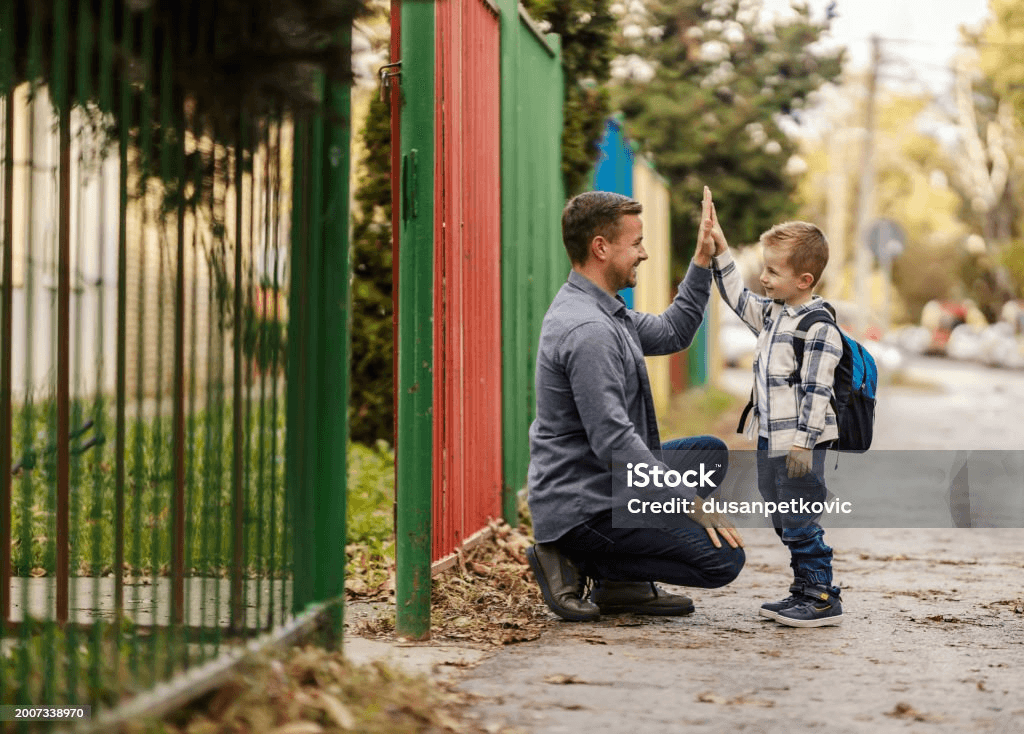
We’re all guilty of this: noticing every mistake while ignoring the 47 things kids did right today. It’s human nature to focus on problems, but it’s also terrible strategy.
Here’s what changed everything in our house: I started a personal challenge to give each kid three genuine compliments every day. This simple form of positive discipline strategies—not fake praise, but specific recognition of effort and improvement—made a huge difference. “You cleaned your room without being asked” beats “good job” every single time.
How to make this work:
- Notice the boring stuff — “Thanks for putting your dishes in the sink” might seem trivial, but it reinforces habits you want repeated.
- Praise effort, not just results — “I saw you really trying to stay calm when your sister took your toy” teaches them that trying matters, even when they don’t succeed perfectly.
- Let kids help choose rewards — Family pizza night, extra story at bedtime, or special time with a parent. When they have input, they’re more motivated.
- Keep a 5:1 ratio — According to research from the Gottman Institute, relationships thrive on roughly five positive interactions for every negative one. That applies to parent-child relationships too.
One of my daughters responded incredibly well to a simple sticker chart at age six. Seemed gimmicky to me, but she loved it. By age eight, she didn’t need it anymore—the habits were established. Sometimes the simplest approaches work best.
3. Time-Outs: Reset, Don’t Punish ⏰

Time-outs get a bad rap, mostly because people use them wrong. They’re not supposed to be punishment—they’re a chance for everyone to cool down before things escalate further. Think of it as a reset button, not a penalty box.
The approach that works:
- Age matters — General rule: one minute per year of age. A 5-year-old gets five minutes. Don’t overdo it.
- Location matters too — Not in their room (that’s their safe space), not where everyone can stare at them. A boring spot works fine—bottom stair, kitchen chair, designated corner.
- Reconnect afterward — This is crucial. After time’s up: “Are you ready to try again?” Then move on. No lectures, no rehashing. Everyone gets a fresh start.
- Older kids need different approaches — For tweens and teens, quiet time in their room with a journal or book works better than sitting on a step.
Not every kid needs time-outs. One of mine could self-regulate without them. Another absolutely needed that structured break to avoid escalation. Pay attention to what your specific kids need, not what some parenting book claims is universal.
4. Loss of Privileges: Natural Consequences 📱
Taking things away works when—and only when—the consequence makes sense. Take away screen time for breaking rules about screens? Logical. Take away screen time because they didn’t clean their room? That’s just you being frustrated and arbitrary.
Guidelines that prevent backfiring:
- Match consequence to offense — Phone privileges lost because of inappropriate phone use. Bike privileges lost because of unsafe bike behavior. See the pattern?
- Make it enforceable — Don’t threaten consequences you can’t actually follow through on. “No birthday party” sounds dramatic but creates a mess you’ll regret.
- Set clear return conditions — “You can earn this back by showing responsible behavior for three days.” Give them a path forward, not indefinite punishment.
- Explain the logic — Kids accept consequences better when they understand why. “You lost bike privileges because riding in the street without looking is dangerous, and I need to keep you safe.”
I once took away video games for a month in frustration. Worst decision ever—I created a resentful kid and still had to enforce it for 30 days. Now I do shorter, logical consequences that actually teach something.
5. Logical Consequences: Connect Actions to Outcomes 🔗
This is where parenting gets interesting. Instead of imposing arbitrary punishments, you let natural consequences teach the lesson. It’s harder on your end because you have to think strategically, but the results are so much better.
Real examples from our house:
- Won’t get ready on time? Go to school in pajamas. (Yes, I’ve actually done this. Once. Problem solved permanently.)
- Leaves belongings everywhere? Items get collected in a “weekend box” and returned on Saturday. They learn fast when their favorite stuff is locked away for a few days.
- Fights over a toy? Toy goes away for the day. Neither kid gets it. Suddenly they learn cooperation.
- Wastes food? Smaller portions until they prove they’ll eat what they take. Teaches resource management better than any lecture.
The beauty of logical consequences is that you’re not the bad guy—reality is. You’re just helping them connect their choices to outcomes they’ll face their whole lives.
6. Clear Communication: Say What You Mean 💬
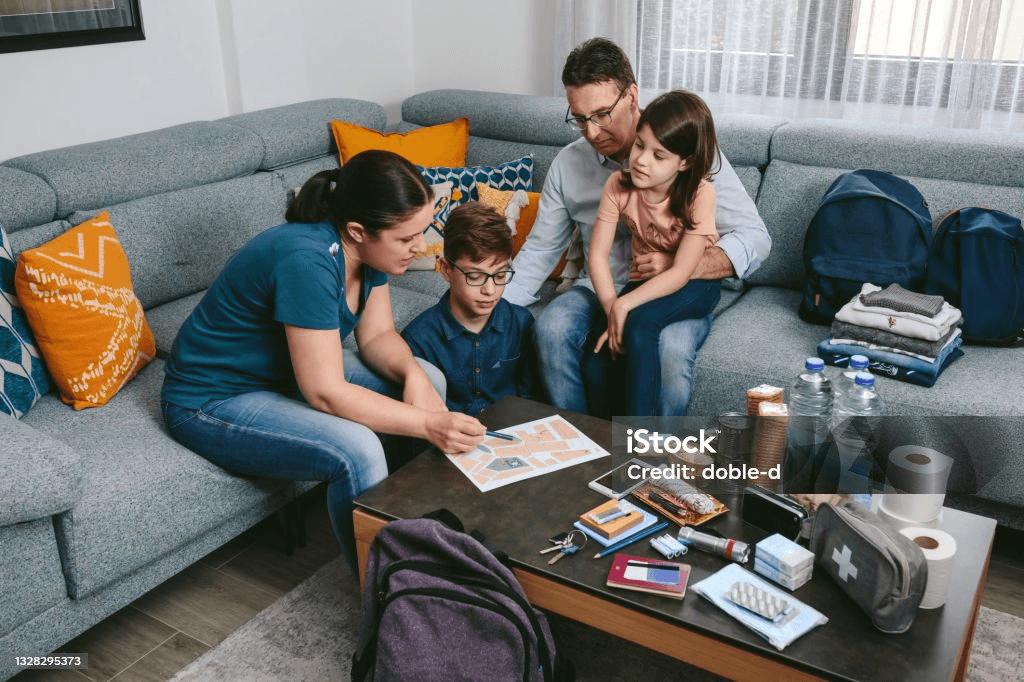
Ever notice how we tell kids what NOT to do, but forget to tell them what we want instead? “Stop running” is less effective than “Please walk.” “Don’t yell” works worse than “Use your indoor voice.”
My wife, a middle school math teacher, taught me this: give specific, positive directions instead of negative commands. It sounds like a small shift, but it changes everything.
Communication strategies that work:
- State expectations clearly — “Dinner is at 6. Please have homework done and hands washed by then” beats “Don’t be late for dinner.”
- Give warnings before transitions — “You have 10 minutes before bedtime routine starts.” Then a 5-minute warning. Then “Time to start.” These family discipline tools make transitions smoother for everyone.
- Use “when/then” statements — “When you finish your chores, then you can have screen time.” This is clearer than “No screens until chores are done.”
- Avoid empty threats — If you’re not willing to follow through, don’t say it. Kids are excellent at calling bluffs.
I used to ask “Why did you do that?” when kids misbehaved. Terrible question—they usually don’t know why, and it just makes them defensive. Better approach: “What happened?” Then: “What could you do differently next time?”
7. Choose Your Battles Wisely ⚔️
With six kids, I could spend all day correcting minor infractions. Mismatched socks? Hair that’s “unique”? Bedroom that looks like a tornado hit it? Sometimes you have to let the small stuff go to preserve energy for issues that actually matter.
My hierarchy of what matters:
- Safety issues — Non-negotiable. Running into traffic, climbing on dangerous things, hurting siblings. These get immediate intervention every time.
- Respect and kindness — We will address meanness, bullying, or disrespect. These are core values.
- Responsibility — Chores, homework, basic self-care. Important, but we can be flexible on timing.
- Personal choices — What they wear, how they style their hair, which extracurriculars they prefer. Their call, within reason.
When you’re not fighting every battle, kids actually listen when you put your foot down about things that truly matter. Save your energy and authority for when it counts. Maintaining harmony as kids grow requires this kind of strategic thinking.
8. Model the Behavior You Want 🪞
Kids don’t do what we say—they do what we do. I learned this when one of mine started yelling at her siblings, using the exact tone I’d used when frustrated. That was a hard mirror to look into, but an important one.
If you want respectful kids, be respectful. Want them to manage emotions well? Show them how you handle yours. Want them to admit mistakes? Model apologizing when you mess up.
Practical ways to model well:
- Apologize when you’re wrong — “I’m sorry I snapped at you. I was stressed about work, but that wasn’t fair to you.” Shows them that everyone makes mistakes and how to make it right.
- Talk through your own emotions — “I’m feeling really frustrated right now, so I’m going to take a few deep breaths before I respond.” You’re teaching emotional regulation in real time.
- Show problem-solving — “The store was out of what we needed. Let me think about a backup plan.” This teaches them how to adapt instead of melting down.
- Demonstrate kindness — How you treat your spouse, strangers, service workers. They’re always watching.
Nobody’s perfect at this. I still lose my cool sometimes. But when kids see you trying, apologizing, and doing better next time, they learn that growth is possible for everyone.
9. Create Systems That Support Success 🔧
Some behavior problems aren’t really behavior problems—they’re environmental problems. When you’re constantly nagging about the same issues, maybe the system is broken, not the kid.
Systems that reduced our daily battles:
- Morning routine checklist — Posted in the bathroom: brush teeth, get dressed, make bed, eat breakfast, pack backpack. Kids check off as they go. Time-saving strategies like this eliminate morning chaos.
- Designated spots for everything — Backpack hooks by the door. Shoe bins in the mudroom. Homework station with supplies. When stuff has a home, kids can actually follow “put things away.”
- Visual schedules — Younger kids especially need to see expectations. Pictures for non-readers, written lists for older kids. Reduces “what’s next?” questions by 90%.
- Chore rotation chart — Everyone knows what they’re responsible for each week. No arguments about whose turn it is. These simple family discipline tools prevent daily battles over making responsibilities engaging.
Good systems make good behavior easier. When you remove obstacles, kids can actually meet your expectations without constant reminders.
10. Stay Connected Through the Hard Moments 💙
Here’s the part nobody likes to hear: sometimes misbehavior is a bid for connection. Kids who feel disconnected act out to get attention—even negative attention feels better than being ignored.
When one of mine starts getting consistently difficult, it’s usually my cue that I haven’t been present enough. Not physically present—emotionally present. Quality time doesn’t require grand gestures. Sometimes it’s just 15 minutes of undivided attention.
Connection practices that prevent bigger issues:
- One-on-one time regularly — Even 20 minutes weekly with each kid, doing something they choose. Fills their tank before it runs empty.
- Listen before correcting — When they mess up, hear their perspective first. “Tell me what happened from your point of view.” Sometimes there’s context you’re missing.
- Acknowledge feelings, even when limiting behavior — “I hear that you’re angry. It’s okay to be angry. It’s not okay to throw things. What else could you do with that feeling?”
- Repair after conflicts — Don’t let hurt feelings fester. After everyone calms down: “Hey, that was rough earlier. Are we okay now?” Clear the air.
According to the American Psychological Association, strong parent-child relationships are the foundation for effective guidance. When kids trust you and feel connected, they’re more motivated to meet expectations—not from fear, but from respect and relationship. This is why positive discipline strategies work better than punishment-based approaches.
📈 Age-Appropriate Expectations: What Works When
What works for a 6-year-old won’t work for a 16-year-old. Here’s what I’ve learned about adapting strategies across different developmental stages:
| Age Range | What Works Best | Common Mistakes to Avoid |
|---|---|---|
| Ages 2-5 | • Simple, immediate consequences • Visual aids and reminders • Lots of positive reinforcement • Redirection before escalation | • Long explanations they can’t process • Expecting impulse control they don’t have • Consequences delayed too long |
| Ages 6-10 | • Logical consequences • Age-appropriate responsibilities • Clear rules with reasons • Problem-solving together | • Treating them like teenagers • Ignoring their need for structure • Expecting adult-level reasoning |
| Ages 11-14 | • Natural consequences when safe • Collaborative rule-setting • Privacy with accountability • Skill-building opportunities | • Micromanaging everything • Power struggles over small things • Forgetting they still need guidance |
| Ages 15-18 | • Mentoring over controlling • Logical boundaries • Real-world preparation • Treating them like emerging adults | • Trying to control like they’re 10 • Not giving increasing autonomy • Missing teaching opportunities |
The approaches that worked when they were little need to evolve. My parenting at each stage looked different because my kids’ needs and capabilities were different. Stay flexible.
🚫 What Doesn’t Work (Stop Wasting Your Energy)
Let me save you some time by sharing what I’ve tried that failed spectacularly:
- Yelling — Makes you feel worse, teaches them to yell back, solves nothing. If you find yourself raising your voice regularly, you need a new strategy, not a louder voice.
- Comparisons — “Why can’t you be more like your sister?” Destroys sibling relationships and self-esteem. Every kid is different, and that’s okay.
- Shame-based tactics — “I’m so disappointed in you” or “What’s wrong with you?” might create compliance through fear, but damages your relationship and their self-worth. Not worth it.
- Endless warnings — “This is your last warning” (for the fifth time). Kids learn you don’t mean what you say. Follow through matters more than threats.
- Physical punishment — Research from the American Academy of Pediatrics consistently shows this creates more problems than it solves. There are better ways.
If you’re using any of these regularly, I get it—we all fall into bad patterns when we’re stressed and overwhelmed. But they don’t work, and there are better options available.
💪 When You’re at the End of Your Rope
Let’s get brutally honest for a second—there have been entire weeks in my house when nothing worked. One child declared a one-girl mutiny after consequences, while another managed to paint the dog’s tail blue (don’t ask about the carpet). There are moments where every strategy flops, tempers flare, and you feel like you’re failing at all of it.
But here’s what two decades of parenting has taught me: those hard moments don’t define you or your kids. What matters is what you do next.
Survival strategies for the tough times:
- Tag out when possible — If you have a partner, tap them in when you’re done. No shame in that. Effective parenting teamwork means knowing when to hand off before you lose your cool. Learning to let go of perfection saves everyone’s sanity.
- Take a parent time-out — “I need a few minutes to calm down before we talk about this.” Models self-regulation and prevents saying things you’ll regret.
- Lower expectations temporarily — Sometimes survival mode is okay. Cereal for dinner, minimal rules enforcement, Netflix babysitter. One rough day won’t ruin them.
- Get support — Talk to other parents who get it. Call a friend. See a therapist if you’re consistently overwhelmed. Raising polite kids takes a village, not superhuman solo strength.
Perfect parenting doesn’t exist. Good enough parenting that prioritizes relationship over compliance? That’s achievable, and it’s actually what kids need most.
🎯 Your Starting Point: Pick Two and Master Them
Don’t try to implement all these discipline ideas for parents at once. You’ll overwhelm yourself and probably revert to old patterns when stressed. Instead, choose two easy ways to discipline kids that address your biggest current struggles.
If you’re struggling with constant chaos: Start with #1 (consistent rules) and #9 (better systems). These are easy ways to discipline kids when you need immediate structure.
If kids ignore you: Focus on #6 (clear communication) and following through every time
If you’re in constant conflict: Try #2 (positive reinforcement) and #10 (connection)
If nothing seems to work: Go back to basics with #1 (consistency) and #8 (modeling)
Give new approaches at least two weeks before deciding they don’t work. Kids need time to adjust, test boundaries, and ultimately accept the new normal. The first week is always hardest—push through.
🏁 The Bottom Line
After six kids and twenty-plus years of figuring this out, here’s what I know for sure: there’s no perfect method that works for every kid in every situation. What matters more than which specific family discipline tools you choose is that you stay consistent, stay connected, and keep trying even when you mess up. Strong parenting teamwork between parents makes all the difference.
Your kids don’t need perfect parents. They need present ones who care enough to keep working on it, who apologize when they screw up, and who love them through the chaos.
Some days you’ll nail it. Some days you’ll lose your cool and have to start over. That’s not failure—that’s real parenting. The fact that you’re reading this, looking for better ways to guide your kids? That already makes you a good parent.
Keep showing up. Keep trying. Keep loving them through the hard moments. That’s what actually matters.
God bless, and remember—you’ve got this, even when it doesn’t feel like it. ✨