50 Uplifting Words That Actually Change Your Day

I stood in front of the bathroom mirror at 5:47 AM, exhausted before the day even started. My wife had left sticky notes everywhere again – on the coffee maker, the bathroom mirror, even stuck to my truck’s steering wheel. Each one had some encouraging phrase she’d written. I used to think it was cheesy. Until the morning I actually needed them.
That’s when I learned something crucial: uplifting words aren’t just feel-good fluff. They’re survival tools.
Have you ever met someone that’s really good at writing but absolutely terrible with words? I am that person 🙂
But here’s what I’ve learned after 20+ years of marriage, raising six kids (five girls and one boy who keeps me on my toes), and serving in the Air Force: these phrases aren’t nice-to-have fluff. They’re weapons against the chaos, anchors in the storm, and sometimes the difference between giving up and pushing through another day.
Come here from time to time for something encouraging and steal it if you must. Some of them are my own, some are not. Take a deep breath, or two, and let everything you’re worried about go.
Why Positive Words Matter More Than You Think 💪
Let me tell you something that might sound crazy: encouraging language literally rewires your brain. I’m not talking about some feel-good nonsense here. Scientists have actually studied this stuff, and the results are pretty incredible.
When you consistently expose yourself to motivational phrases, your neural pathways start shifting toward optimism. It’s like training your brain to default to hope instead of despair. As someone who’s been through deployment stress, teenage daughter drama, and the general chaos of a large family, I can tell you this isn’t just theory—it works.
My wife (who teaches middle school math and deals with attitude all day) started keeping a list of morning affirmations on her bathroom mirror. At first, I thought it was a bit much. But watching her transform from someone who dreaded Monday mornings to someone who actually looks forward to challenging her students? That’s when I became a believer.
The Science Behind Encouraging Language
Research from SAMHSA shows that positive self-talk can reduce stress, improve immune function, and even increase lifespan. When you feed your mind inspirational quotes and hopeful thoughts, you’re literally giving your body better chemistry to work with.
Think about it this way: if you had a choice between drinking poison or vitamins every morning, which would you choose? Your words are the same deal. Every encouraging phrase you speak to yourself is like a vitamin for your soul.
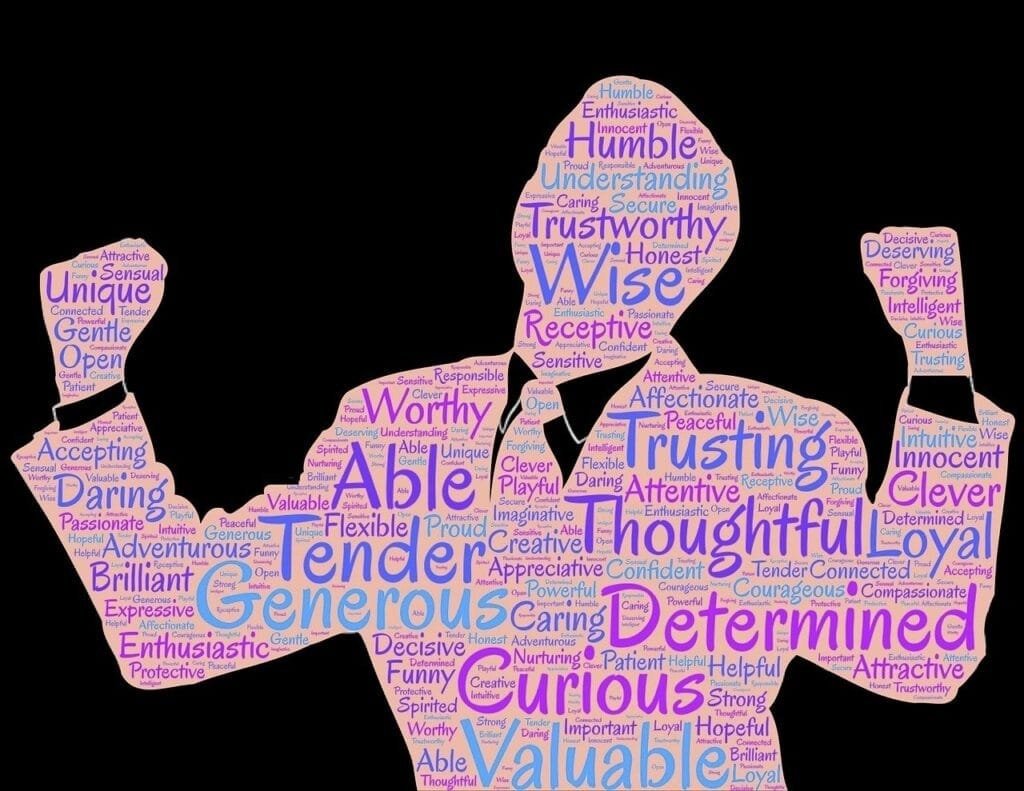
The Real-World Power of Words of Encouragement 🌟
Here’s a story that’ll show you what I mean. Last year, my oldest daughter was struggling with college applications. The rejection letters were piling up, and she was ready to give up on her dreams entirely. Instead of the usual “it’ll be fine” parent response, I started leaving notes in her lunch bag, on her mirror, even tucked into her textbooks.
Simple stuff like:
“Your worth isn’t determined by someone else’s decision”
“Every ‘no’ is redirecting you to your ‘yes'”
“You are exactly where you need to be”
Did it magically solve everything? No. But it gave her something to hold onto when everything felt impossible. She ended up getting into her second-choice school and absolutely loves it there. (Turns out rejection sometimes redirects you exactly where you need to be. Who knew?)
Those phrases didn’t change her circumstances immediately, but they changed her ability to handle them.
Building Resilience Through Language
When life hits hard (and it will), motivational language becomes your emotional armor. I learned this during my Air Force days when everything seemed designed to break you down. The guys who made it through weren’t necessarily the strongest physically—they were the ones who had learned to speak strength into themselves.
Building healthy family routines includes incorporating positive language into your daily interactions. It’s not about toxic positivity or pretending everything is perfect. It’s about choosing words that build up instead of tear down.
Categories of Uplifting Words That Actually Work ✨
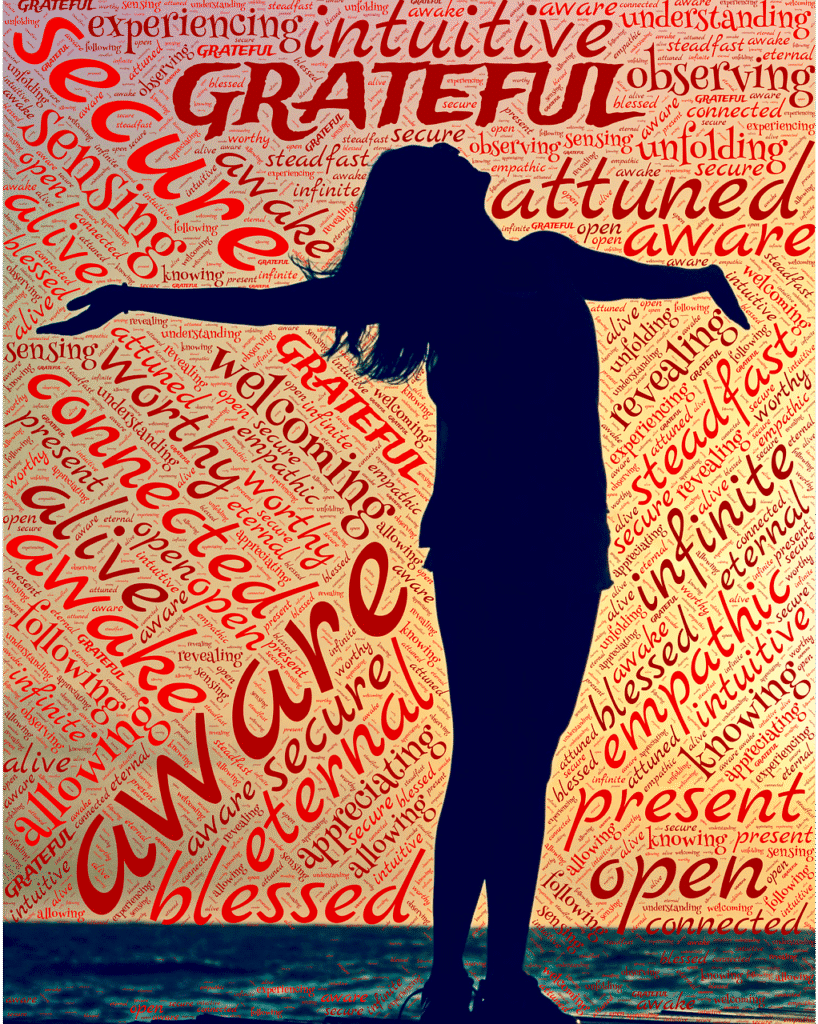
Let me break down the types of encouraging language that have proven most effective in my experience:
Words of Affirmation
These are the foundation-builders, the ones that remind you who you are when you forget:
“You are enough, exactly as you are” – This one hits different when you’re feeling inadequate as a parent, spouse, or human being in general.
“Your mistakes don’t define you” – Perfect for those 3 AM guilt spirals we all know too well.
“You have survived 100% of your worst days” – Sometimes you need the reminder that you’re tougher than you think.
Words of Progress

These daily affirmations acknowledge the journey, not just the destination:
“Every step forward counts, no matter how small” – Great for those days when progress feels invisible.
“You’re not where you want to be, but you’re not where you used to be” – This perspective shift is everything.
“Growth happens in the uncomfortable spaces” – When change feels overwhelming, this helps reframe the struggle.
Words of Hope
These inspirational quotes point toward better days ahead:
“This season is temporary” – Whether it’s toddler tantrums or teenage attitude, nothing lasts forever.
“Your story isn’t over yet” – Perfect for those moments when you feel stuck or finished.
“Tomorrow is a blank page” – The ultimate reset button for rough days.
Making Encouraging Words Part of Your Daily Routine 🏠
Here’s where the rubber meets the road. You can read all the motivational phrases in the world, but if you don’t actually use them, they’re just pretty words on a screen.
Morning Rituals That Stick
I start every day by looking in the mirror and saying three morning affirmations out loud. Yeah, it feels weird at first. My teenage daughters definitely think I’ve lost it. (Full disclosure: some mornings I mumble them while half-asleep and sound like a zombie motivational speaker.) But after six months of this routine, I can tell you it changes how you approach everything that comes after.
Try these:
“I choose courage over comfort today”
“I am capable of handling whatever comes my way”
“I will speak life into every situation I encounter”
The key is consistency, not perfection. Some mornings I barely mumble them while brushing my teeth. Other days I belt them out like I’m giving a motivational speech. Both count.
Creating a Family Culture of Encouragement

One thing we’ve implemented in our house is “word gifts” – instead of just saying “good job,” we get specific with our words of encouragement:
Instead of: “Nice work on your test”
Try: “Your dedication to studying really paid off, and I’m proud of how you didn’t give up when math got challenging”
Instead of: “Thanks for helping with dinner”
Try: “Your willingness to jump in and help makes our whole family stronger”
This ties directly into health and well-being strategies because emotional health is just as important as physical health.
The Art of Positive Self-Talk: Changing Your Internal Dialogue 🧠
This is where most people struggle—they’re great at encouraging others but terrible at speaking kindly to themselves. If you talked to your friends the way you talk to yourself, how many friends would you have left?
Catching Negative Self-Talk
According to research, the average person has approximately 60,000 thoughts per day. But what is truly concerning is that 75% of these thoughts are negative, and 95% are repetitive. That’s a lot of internal poison to counteract.
Start paying attention to your internal dialogue throughout the day. When you catch yourself saying something you’d never say to a friend, stop and rephrase it as something encouraging instead:
Replace: “I’m so stupid for making that mistake”
With: “I’m learning and growing from this experience”
Replace: “I’ll never get this right”
With: “I’m getting better at this every time I try”
Replace: “Everyone else has it figured out”
With: “We’re all figuring it out as we go”
The Power of Present-Tense Affirmations

Here’s something most people get wrong about daily affirmations – they make them about the future instead of the present. “I will be confident” feels like a lie when you’re not feeling confident right now. But “I am becoming more confident each day” feels achievable.
Try these present-tense phrases:
“I am worthy of love and respect”
“I am learning to trust my instincts”
“I am strong enough for this moment”
Words for Specific Life Challenges 💯
Let’s get practical. Life throws specific curveballs, and you need specific encouraging language to handle them.
For Parenting Struggles
Being a dad to six kids has taught me that parenting is 90% feeling like you’re failing and 10% brief moments of thinking you might actually know what you’re doing.
“You don’t have to be perfect; you just have to be present” – This one saved my sanity during the toddler years.
“Your kids need you, not a perfect parent” – When Pinterest perfect seems impossible.
“Every family has hard days; yours isn’t broken” – For those moments when everyone else seems to have it together.
For Work and Career Stress
Whether you’re dealing with difficult coworkers, job uncertainty, or just the daily grind, these motivational phrases can shift your perspective:
“Your value isn’t determined by your productivity” – Essential in our hustle-obsessed culture.
“You bring unique gifts to every situation” – When imposter syndrome kicks in.
“Progress over perfection, always” – For the recovering perfectionists among us.
For Relationship Challenges
After 20+ years of marriage, I can tell you that positive affirmations aren’t just for individuals—they’re relationship savers:
“We’re on the same team, even when we disagree” – This reframes conflict as collaboration.
“Love is a choice I make daily, not just a feeling” – For when emotions are running high.
“Our differences make us stronger together” – Especially helpful when your spouse loads the dishwasher completely wrong. (Yes, there IS a right way, and I will die on this hill.)
Uplifting Words by Life Situation 📊
Here’s a quick reference for matching the right encouragement to your current struggle:
| Situation | Words That Work | Why They Help |
|---|---|---|
| Parenting overwhelm | “You don’t have to be perfect; just be present” | Lowers impossible standards, focuses on connection |
| Work stress | “Your value isn’t determined by productivity” | Breaks hustle mentality, restores perspective |
| Relationship tension | “We’re on the same team, even when we disagree” | Reframes conflict as collaboration |
| Financial anxiety | “I have enough, I am enough, I do enough” | Combats scarcity mindset |
| Health struggles | “My body is doing its best with what it has” | Builds compassion instead of frustration |
| General exhaustion | “Rest is productive, not lazy” | Permission to pause without guilt |
Creating Your Personal Collection of Encouraging Words 📚

Here’s what I want you to do: start your own collection. Don’t just passively read inspirational quotes and move on. Actively curate the ones that hit you right in the feels.
Building Your Arsenal
I keep a note on my phone with phrases that work for me. When I’m having a rough day, I don’t have to think—I just scroll through and find what I need. Some favorites from my list:
“Your current chapter is not your final story” – Perfect for seasons of struggle.
“Courage isn’t the absence of fear; it’s action in spite of fear” – When you need to do the hard thing anyway.
“You are not responsible for everyone else’s emotions” – A game-changer for people-pleasers.
“Your pace doesn’t matter; your direction does” – For when comparison steals your joy.
“This too shall pass” – The ultimate reminder of life’s temporary nature.
Making Them Stick
The difference between words of encouragement that change you and ones that just sound nice is repetition and belief. You have to say them until you believe them, and believe them until they become automatic.
This article explains the old data of it taking about 21 days to form a new habit, but up to 66 days for it to become automatic. That means you’re looking at about two months of consistent practice before positive self-talk becomes your default thinking pattern. (Not gonna lie—some days I still forget and have to set phone reminders. Progress, not perfection.)
The Ripple Effect: How Your Words Impact Others 🌊
Here’s something beautiful about uplifting words – they’re contagious. When you start speaking life into yourself, you naturally start speaking life into others.
My wife noticed this first. She said I went from being the guy who pointed out problems to the guy who looked for solutions. My kids started asking for my advice instead of just tolerating my lectures. Even my coworkers commented on the shift.
Becoming a Source of Encouragement
You don’t have to be a motivational speaker to make a difference in someone’s day. Sometimes the most powerful encouraging phrases are the simplest ones:
“I believe in you” – Everyone needs to hear this sometimes.
“Thank you for being you” – Celebrates their essence, not just their actions.
“I’m glad you’re in my life” – Simple but profound.
“Your feelings are valid” – Especially important for kids and teenagers.
“You make a difference” – Reminds people of their impact.
Teaching Kids the Power of Words
One of the best gifts you can give your children is teaching them to use uplifting words – both for themselves and others. We have a rule in our house: if you can’t say something that builds up, find a way to say nothing constructively.
This doesn’t mean we avoid difficult conversations or pretend everything is sunshine and rainbows. It means we choose words that address problems while preserving dignity and hope.
Understanding family dynamics and communication is crucial for creating a culture where everyone feels safe to both give and receive encouragement.
Advanced Strategies: Beyond Basic Positive Thinking 🚀
Let’s go deeper than surface-level positivity. Real motivational language acknowledges reality while pointing toward possibility.
Honest Optimism vs. Toxic Positivity
There’s a difference between encouraging words and denial. Honest optimism says, “This is hard, and I can handle it.” Toxic positivity says, “Everything happens for a reason, so just be grateful.”
Good: “I’m struggling right now, and that’s okay”
Better: “I’m struggling right now, and I’m learning how strong I really am”
Good: “This situation is difficult”
Better: “This situation is difficult, and I’m discovering resources I didn’t know I had”
Contextual Encouragement
Different situations require different types of daily affirmations. What works during a crisis might not work during a period of growth, and vice versa.
For Crisis Moments:
- “I just need to get through today”
- “One breath at a time”
- “I am safe in this moment”
For Growth Periods:
- “I’m ready for the next level”
- “Change is uncomfortable but necessary”
- “I trust the process”
For Maintenance Seasons:
- “Steady progress is still progress”
- “I appreciate where I am while working toward where I’m going”
- “Consistency is my superpower”
Making It Practical: Your 30-Day Challenge 🎯
Knowledge without action is just entertainment. Here’s your practical plan for implementing uplifting words into your daily life:
30-Day Uplifting Words Challenge
Week 1: Foundation Building
- [ ] Choose 3 morning affirmations that resonate with you
- [ ] Say them every morning while looking in the mirror
- [ ] Write them on sticky notes and place them where you’ll see them
- [ ] Track your mood each day (1-10 scale)
Week 2: Expansion
- [ ] Add evening affirmations to your routine
- [ ] Start noticing your negative self-talk patterns
- [ ] Replace one negative thought with an encouraging phrase each day
- [ ] Journal about what you notice changing
Week 3: External Application
- [ ] Give one genuine compliment daily
- [ ] Use specific words of encouragement with family members
- [ ] Share encouraging messages with friends who need them
- [ ] Practice receiving compliments without deflecting
Week 4: Integration
- [ ] Create your personal collection of motivational phrases
- [ ] Teach someone else about the power of positive words
- [ ] Make encouragement a natural part of your conversation style
- [ ] Celebrate your progress (even if it feels small)
The Long Game: Building a Life of Encouragement 🏆
After implementing these practices consistently, here’s what you can expect:
Month 1: You’ll feel awkward but notice small shifts in mood
Month 3: The words will start feeling natural and automatic
Month 6: Others will comment on your increased positivity
Month 12: You’ll be the person others come to for encouragement
This isn’t just about feeling better (though you will). It’s about becoming the kind of person who makes others feel better too. In a world full of criticism, comparison, and negativity, choosing to be a source of encouraging words is revolutionary.
Building emotional resilience in families starts with responsibility—both with ourselves and with each other.
Your Words, Your Legacy 💝
Here’s what I want you to remember: uplifting words aren’t just about changing your day—they’re about changing your life and the lives of everyone around you. Every inspirational quote you internalize, every daily affirmation you speak, every encouraging phrase you share is a seed planted in the garden of possibility.
My kids won’t remember most of my lectures, but they’ll remember how my words made them feel. My wife won’t recall every conversation we’ve had, but she’ll remember the encouragement that carried her through difficult seasons. That’s the real power of choosing your words carefully.
So here’s my challenge to you: stop waiting for someone else to speak life into your situation. Start with yourself. Choose language that builds instead of tears down. Speak phrases that heal instead of hurt. Use affirmations that strengthen instead of weaken.
The world has enough critics. Way more than enough. It needs more encouragers. It needs people who understand that words have the power to change everything.
Your voice matters. Your words matter. And someone, somewhere, needs exactly the encouragement you have to offer.
Now go speak some life into the world. It’s waiting for what you have to say.
Remember: You don’t have to be perfect at this. You just have to start. Take those uplifting words, make them yours, and watch how they transform not just your inner dialogue, but your entire approach to life.
Because sometimes, the most powerful thing you can do is simply remind yourself—and others—that everything is going to be okay. ✨